
Ask ten trekkers when to go and you will get ten answers, but the mountain itself is fairly predictable. The best time to climb Mount Toubkal is from April to early June and from September to October, when the trail from Imlil is free of snow, the days are long and the summit is cold but manageable. Winter climbs are possible too, but they are a different sport.
This guide breaks the year down month by month, explains what changes on the route between seasons, and helps you choose dates that match your fitness, your gear and your appetite for adventure. It is written by the team that runs treks out of the Ouirgane and Imlil valleys every week of the year.
What is the best time to climb Mount Toubkal?
Mount Toubkal (4,167 m) is the highest peak in North Africa and sits inside Toubkal National Park, about 65 km south of Marrakech. For most hikers, the ideal windows are:
- Late April to early June – snow has melted from the main path, valleys are green, rivers are full and temperatures are pleasant in Imlil.
- September to October – stable weather, clear skies, dry trail and fewer crowds than spring weekends. October is often the single best month.
- July and August – snow-free and very popular, but hot in the valleys and hazy at the top; afternoon thunderstorms can build over the High Atlas.
- December to March – real winter mountaineering with snow and ice above the refuge. Crampons, an ice axe and an experienced guide are essential.
November and late March are shoulder months: conditions can switch from autumn to winter (or back) within a week, so keep your plans flexible.

Toubkal month by month
The table below summarises typical conditions. Temperatures are approximate and vary from year to year; the summit can drop below freezing in any month.
| Period | Trail conditions | Summit at dawn (approx.) | Gear notes | Crowds |
|---|---|---|---|---|
| Dec – Feb | Snow and ice from about 3,000 m | -10 to -15 °C | Crampons, ice axe, mountaineering boots | Low |
| March | Snow still common above the refuge | -5 to -10 °C | Crampons usually needed | Low to medium |
| April – early June | Mostly dry; late snow patches near the top | -5 to +2 °C | Microspikes sometimes useful in April | Medium to high |
| July – August | Dry, dusty scree | 0 to +8 °C | Sun protection, plenty of water | High |
| September – October | Dry and stable | -3 to +5 °C | Warm layers for the summit | Medium |
| November | First snowfalls possible | -5 to -10 °C | Check forecast; crampons on standby | Low |
Spring: green valleys and lingering snow
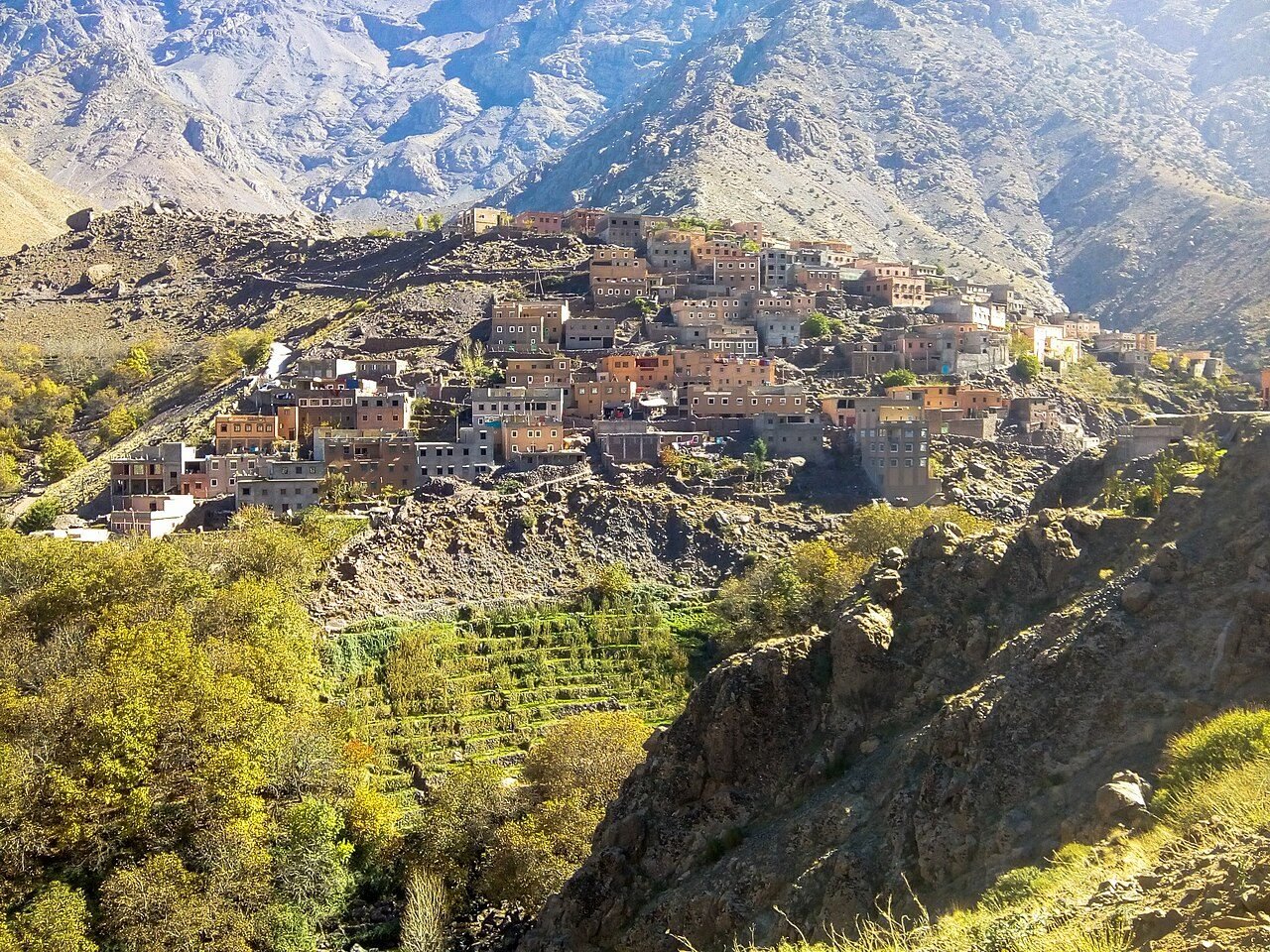
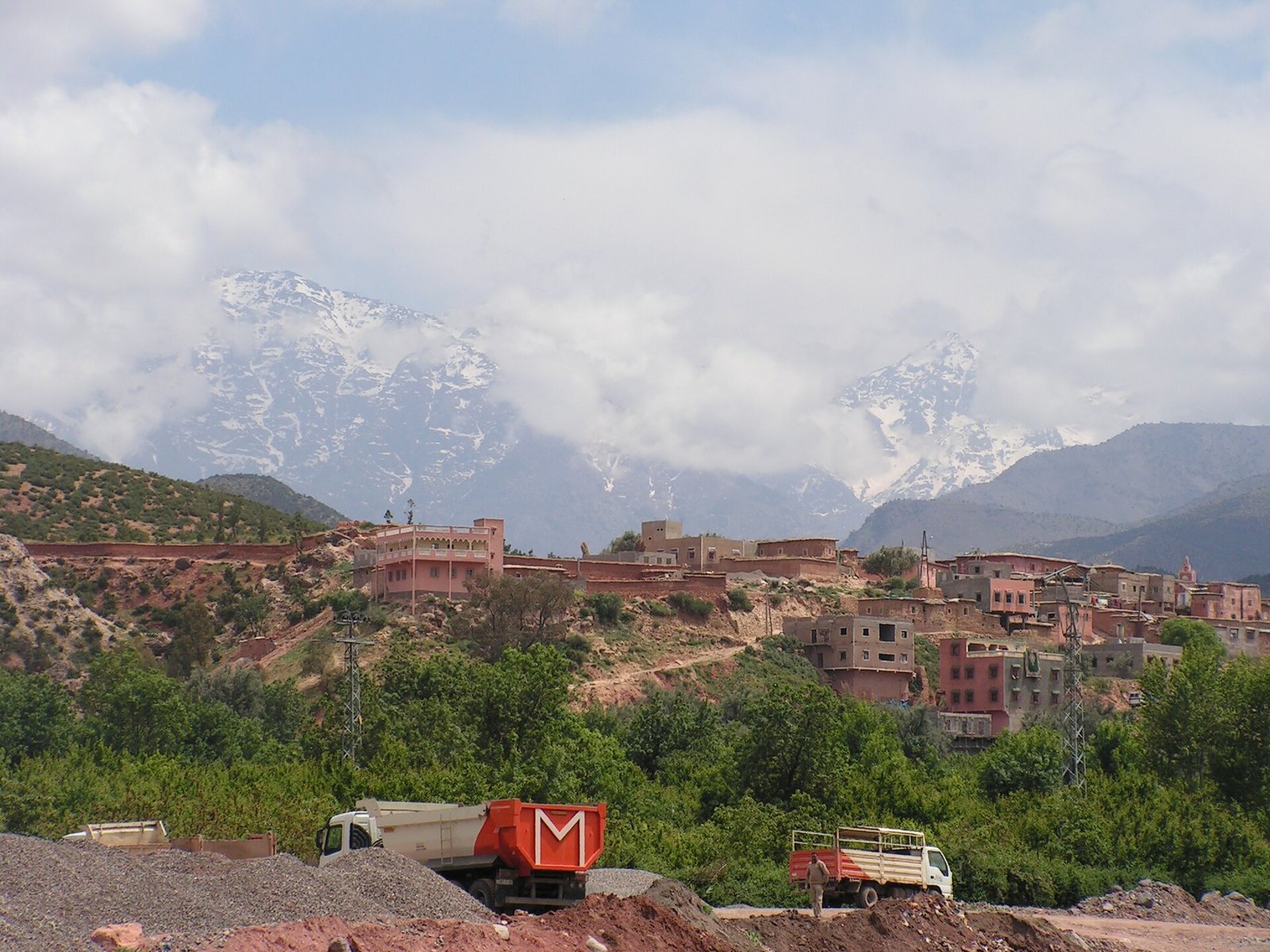
From April the walnut trees around Imlil and Aremd come into leaf and the barley terraces turn bright green. It is a beautiful time to walk, and the hike up the Mizane valley to the refuge is at its most photogenic. The catch is that snow can linger in the upper couloirs until May in heavy years. Our guides check conditions daily and bring microspikes when needed. Easter and May bank holidays bring more European groups, so the refuges fill quickly.
Summer: easy access, hot afternoons
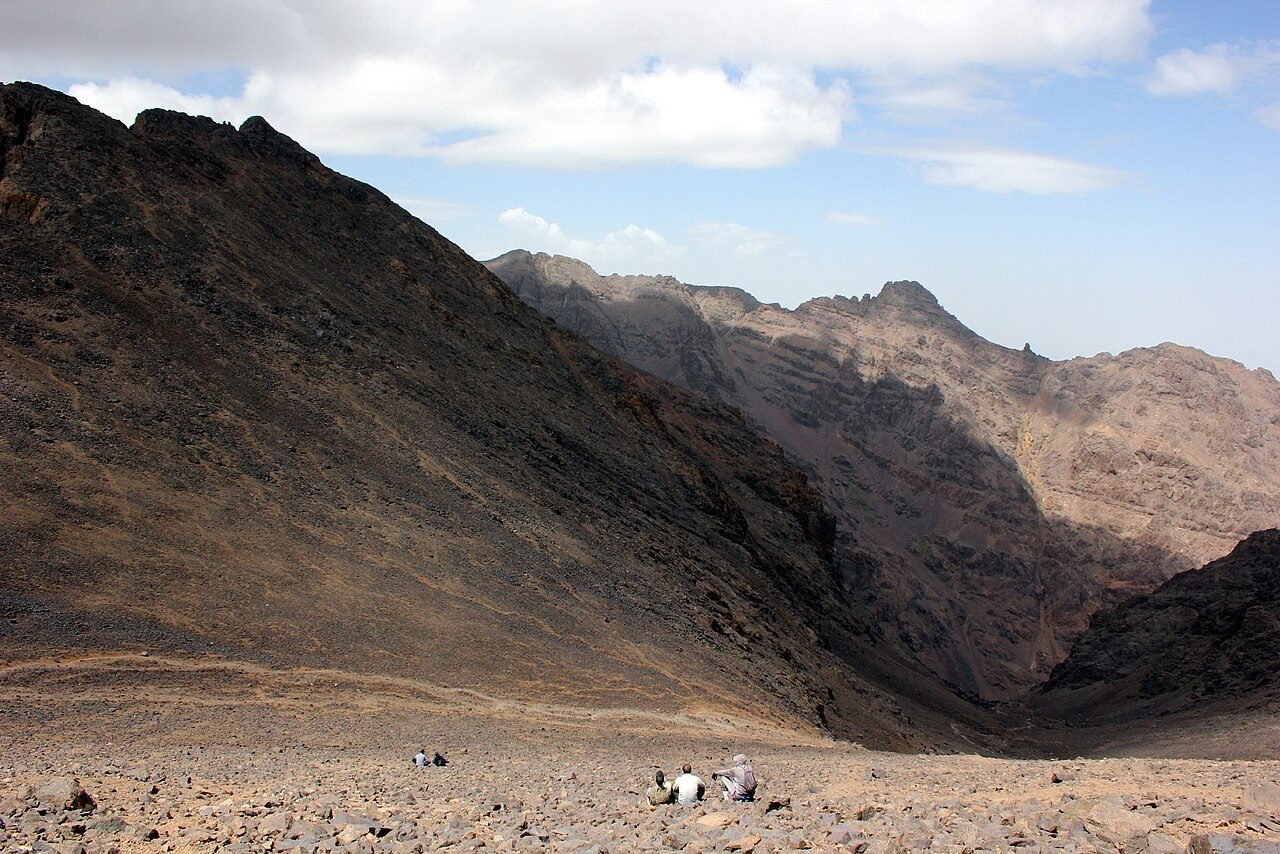
In July and August the route is completely dry, which makes it the most accessible season for first-time high-altitude hikers. The downside is heat: Marrakech regularly exceeds 40 °C, and the first hours of the walk from Imlil (1,740 m) can be sweaty. Start early, carry at least two litres of water and expect a busy summit. Summer storms are usually short but can bring lightning, so we aim to be off the summit by late morning.
Autumn: our favourite season
September and October combine dry trails, crisp mornings and long visibility from the summit across to the Anti-Atlas and, on very clear days, the Sahara edge. The apple harvest is under way in the villages and the valleys are quieter. If you can only pick one window, pick this one. By mid-November the first snow may arrive, and the season starts to tip towards winter.
Winter: a true mountaineering objective
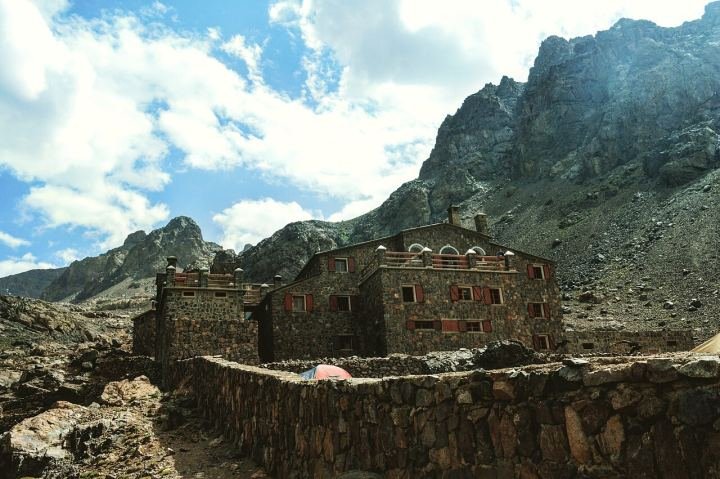
From December to March Toubkal becomes an alpine climb. The final slopes are snow-covered and can be icy at dawn, wind chill is serious and the days are short. People do summit safely every winter, but only with proper equipment and a guide who knows the winter line. If you are considering a winter ascent, tell us your experience when you enquire, and we will advise honestly whether it suits you.
Ramadan, holidays and other calendar factors
Weather is not the only thing to check. During Ramadan, which moves about eleven days earlier each year, guides, cooks and muleteers still work, but meal times shift and some village shops close during the day. Treks run normally; just expect breakfast before dawn and dinner after sunset at the refuge. Moroccan school holidays and long weekends bring more domestic hikers, while European Easter and the October half-term are busy with international groups. If you want solitude on the summit, mid-week dates in late September or early June are hard to beat.
How to choose your dates in 5 steps
- Be honest about experience. No crampon experience? Avoid December to March.
- Check your overall Morocco itinerary. If you are also visiting the desert, spring and autumn suit both; see our guide on how hard Toubkal really is before committing.
- Avoid peak weekends. Moroccan and European holiday weekends mean busier refuges.
- Add a buffer day. One spare day lets you shift the summit if the forecast turns.
- Book the refuge early. In spring and autumn, beds at the refuges go weeks ahead; read our Toubkal refuge guide for the differences.
Do you need a guide in every season?
Yes. Local regulations require trekkers on the Toubkal route to be accompanied by a certified mountain guide, and there are checkpoints on the way up from Imlil. In winter a guide is also a genuine safety asset. Our 2-day Mount Toubkal summit trek includes transport from Marrakech, a licensed guide, mules for luggage and a night at the refuge. If you prefer something gentler, the Imlil and Three Valleys day trip gives you the same scenery without the summit, and you can browse all our adventure and outdoor tours or the wider Atlas Mountains experiences.
For official information on the park and trekking in Morocco, the Moroccan National Tourist Office is a useful starting point, and the Toubkal entry on Wikipedia gives good geographic background.
Key takeaways
- Best months: April to early June and September to October.
- Summer is easiest for beginners but hot and crowded.
- Winter (December to March) requires crampons, ice axe and real experience.
- A certified guide is mandatory year-round on the Toubkal route.
- Book refuge beds early in shoulder seasons and keep one buffer day.