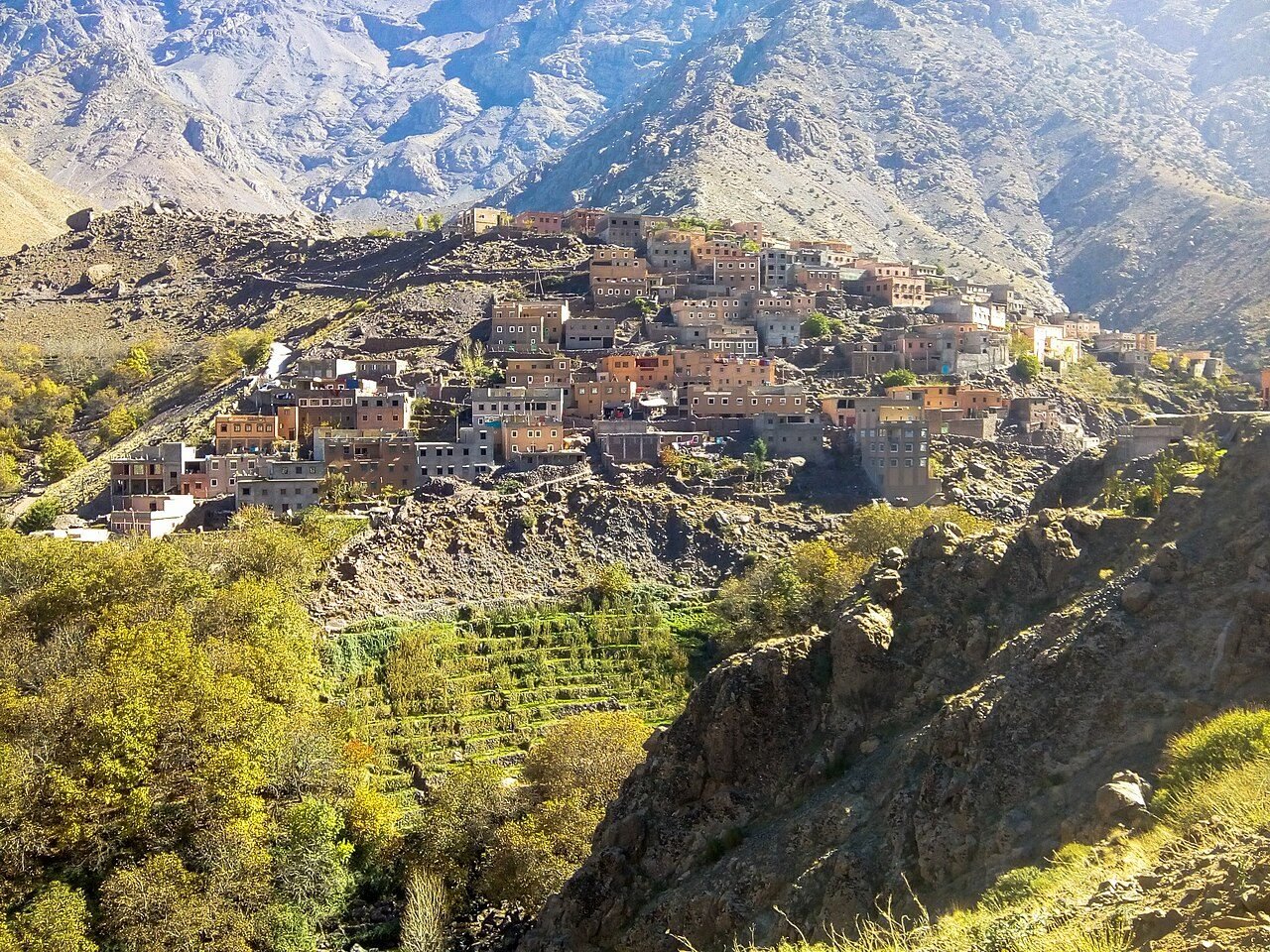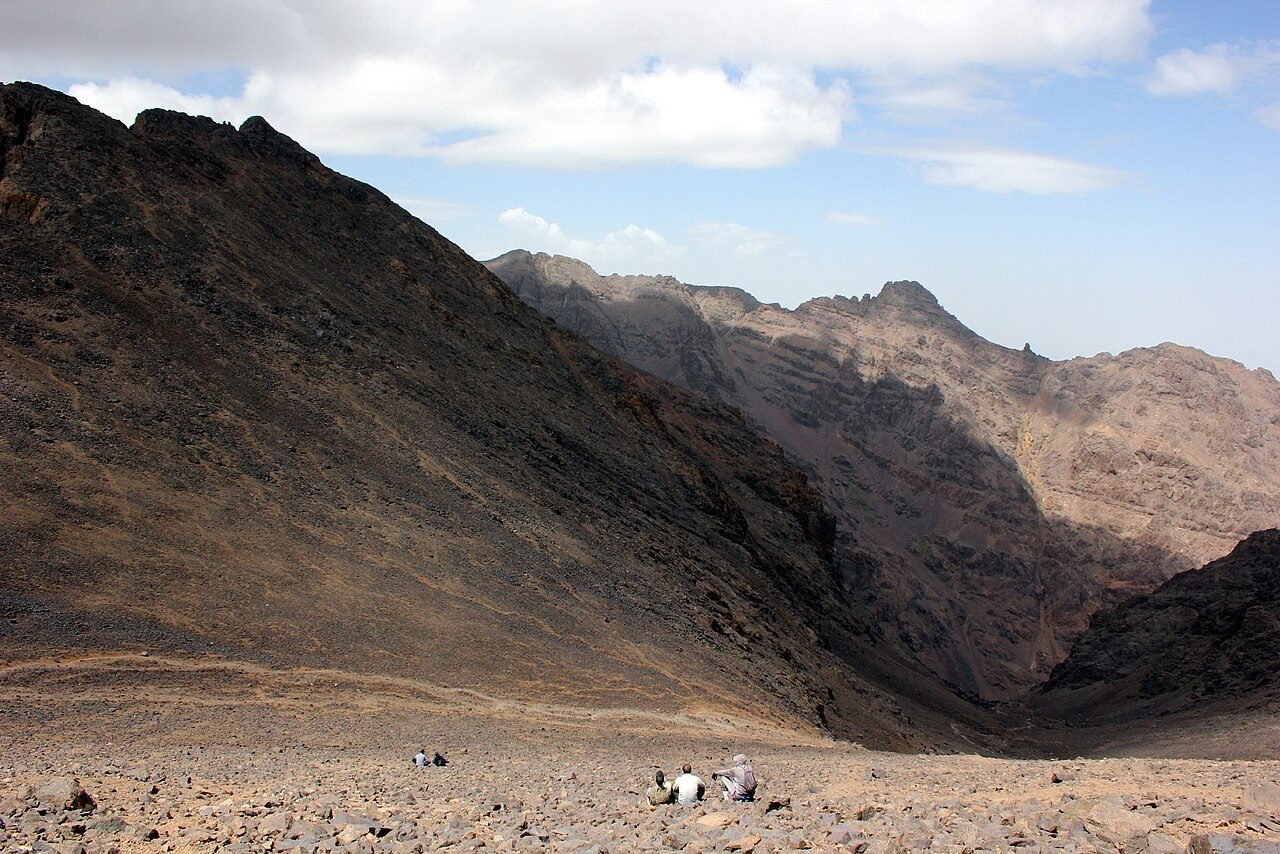

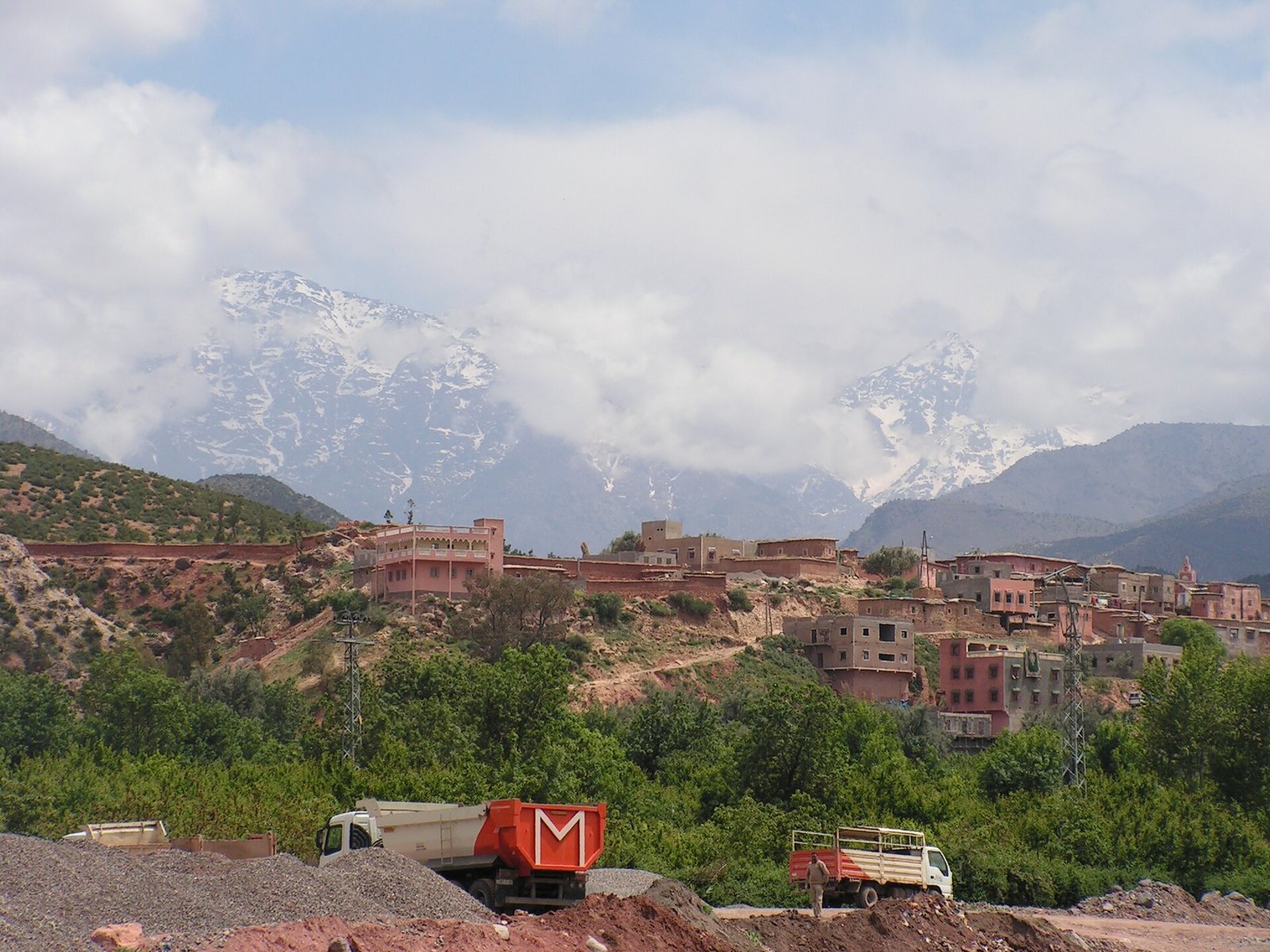
Ouirgane is the valley we call home, and it is still one of the quietest corners of the High Atlas within easy reach of Marrakech. If you are wondering about the things to do in Ouirgane, the short answer is: walk, paddle, eat slowly and meet the people who live here. This is not a place of ticketed attractions, which is precisely its charm.
Below we list the activities we recommend most often to guests, with practical details on distances, timing and what to expect.
Where is Ouirgane?
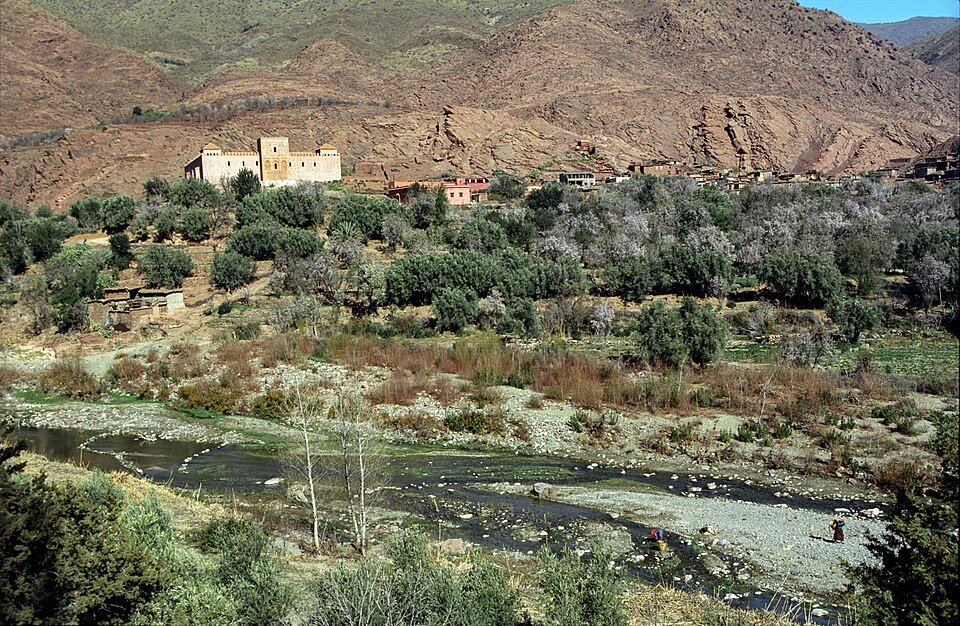
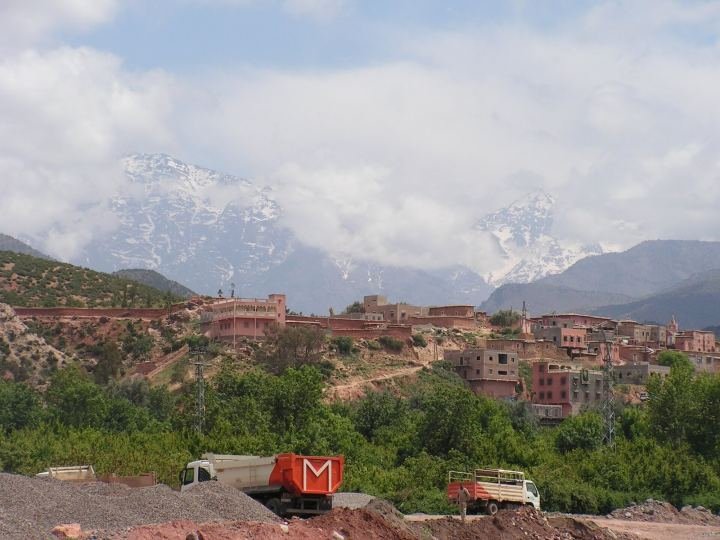
Ouirgane is a small Amazigh (Berber) community in the green valley of the Nfis river, around 65 km south of Marrakech on the road that climbs towards the Tizi n'Test pass and Taroudant. It sits at roughly 1,000 m altitude, on the western edge of Toubkal National Park, with juniper, holm oak and almond trees on the slopes and orchards along the river. The drive from Marrakech takes about 1 hour 15 minutes via Tahanaout and Asni.
The region was hit hard by the September 2023 Al Haouz earthquake. Villages have been rebuilding since, and visiting with local operators is one of the most direct ways travellers can support families in the valley.
Top things to do in Ouirgane
1. Hike between Berber villages
Easy mule tracks link the hamlets around Ouirgane. A typical half-day loop takes 3 to 4 hours, climbs a few hundred metres through juniper and walnut trees, and ends with mint tea in a village house. Longer walks head towards Tizi n'Oussem or up to viewpoints over the Toubkal massif.
2. Kayak on Ouirgane lake
The reservoir formed by the dam on the Nfis is a calm, turquoise lake surrounded by red hills. Kayaking here is gentle and suitable for beginners and families; read more in our guide to Ouirgane lake.
3. Visit a traditional salt mine
Near the valley, local families still harvest salt from a saline spring using evaporation basins, a practice passed down over generations. Ask your guide whether the site is accessible on the day of your visit.
4. Eat a home-cooked tagine
Lunch in a family home is the highlight for many visitors: chicken or vegetable tagine slow-cooked over charcoal, fresh bread from the clay oven, local olive oil and seasonal fruit.
5. Browse the Asni or Tahanaout souk
On the way from Marrakech, the weekly markets in Asni (Saturday) and Tahanaout are where valley residents buy vegetables, spices, tools and livestock. Arrive mid-morning for the most activity.
6. Continue to Tinmel or Imlil
Ouirgane is an excellent base for day trips: the historic Tinmel mosque lies about 30 km further south, and Imlil is less than an hour away. See our full list of day trips from Ouirgane.
Ouirgane activities at a glance
| Activity | Duration | Difficulty | Best season |
|---|---|---|---|
| Village hike | 2 – 5 hours | Easy to moderate | All year (avoid midday in summer) |
| Kayak on the lake | 1 – 2 hours | Easy | April – October |
| Family lunch | 1.5 hours | – | All year |
| Weekly souk | 1 hour | – | Market day only |
| Mountain bike ride | 2 – 4 hours | Moderate | Spring and autumn |
How to plan a day in Ouirgane
- Leave Marrakech around 8:30 to beat the heat and the traffic out of the city.
- Stop at Asni for a viewpoint over the valley (and the souk if it is Saturday).
- Hike for two to three hours through the villages above Ouirgane.
- Lunch with a local family, then rest in the shade.
- Kayak on the lake in the afternoon light before driving back for sunset in Marrakech.
That is exactly the rhythm of our Ouirgane day trip with kayaking and village discovery, a private tour with hotel pickup. You can also read more about our home valley on the Ouirgane page.
Ouirgane through the seasons
Each season gives the valley a different character, and the activities shift slightly with it.
Spring (March to May) is when Ouirgane is at its greenest. Almond blossom appears first, often in February, followed by fresh barley in the terraces and wildflowers on the hillsides. The Nfis runs high with snowmelt and the lake is full. This is the most comfortable time for longer hikes of five hours or more.
Summer (June to August) is warm, but the valley is usually several degrees cooler than Marrakech, which makes it a popular escape for families from the city. Plan walks for the morning, spend the hottest hours over lunch in the shade, and save kayaking for late afternoon.
Autumn (September to November) brings the walnut and apple harvests, golden poplars along the river and very clear light. It is our favourite time for photography and for combining Ouirgane with a Toubkal ascent.
Winter (December to February) days are often sunny and pleasant for walking, while nights are cold. Snow sometimes dusts the surrounding ridges and the high peaks of the Toubkal massif are white, which makes for dramatic views on the drive from Asni.
Where to stay in Ouirgane
Accommodation in the valley ranges from simple family guesthouses (gîtes) to a handful of rural lodges with gardens and pools along the road from Asni. Most are small, so book ahead in spring and on holiday weekends. Staying one or two nights lets you walk at dawn, when the valley is at its most peaceful, and see the stars without city light. If you prefer to keep your riad in Marrakech, a full day is still enough to get a real feel for the place.
Is Ouirgane worth visiting?
If you want mountain scenery without the crowds of the Ourika valley, yes. Ouirgane is greener and calmer than many Atlas spots, and it works for families, couples and active travellers. It is less suited to visitors who want shopping or nightlife; for those, stay in Marrakech and come up for the day. Those hoping to climb higher can combine Ouirgane with the Mount Toubkal trek or explore the wider Atlas Mountains.
Practical tips
- Wear closed walking shoes; paths are stony.
- Bring cash in dirhams; card payments are rare in the villages.
- Dress modestly in villages: shoulders and knees covered is appreciated.
- Always ask before photographing people.
- Evenings are cooler than Marrakech, even in summer; pack a light layer.
For broader background on the region, see the Toubkal National Park article.
Key takeaways
- Ouirgane is about 65 km (1h15) south of Marrakech in the Nfis valley.
- Main activities: village hikes, kayaking, home-cooked lunch and weekly souks.
- It is a quiet base for Tinmel, Imlil and Toubkal.
- Visiting with local guides directly supports post-earthquake recovery.